May 6, 2026
Owning a home comes with ongoing responsibilities, but not every repair is just about aesthetics or comfort—some can directly impact what you pay for coverage. Strategic upgrades can reduce risk, improve safety, and ultimately lower your home insurance premiums over time. According to Bankrate, as of 2023, roughly 88% of homeowners maintain an active policy, which means most households have an opportunity to save by making smart improvements. Understanding which repairs matter most allows you to prioritize projects that deliver both protection and financial benefits.
Beyond the financial benefits, these upgrades also position you as a proactive homeowner in the eyes of your insurer. Carriers increasingly evaluate not just the age of your home, but how well it’s maintained and updated to prevent losses. By focusing on high-impact repairs, you create a safer living environment while opening the door to potential discounts, better coverage options, and more stable home insurance costs over time.
Roofing Improvements
Your roof is one of the first things insurers evaluate when assessing risk. An aging or damaged roof increases the likelihood of claims due to leaks, storm damage, and structural issues. Replacing worn shingles, repairing flashing, or upgrading to impact-resistant materials can significantly reduce that risk profile. Many insurers offer discounts when homeowners install roofing systems designed to withstand hail, wind, or fire, making this a high-return investment.
Beyond materials, proper installation and maintenance also play a critical role. A newer roof with documented inspections signals to insurers that the property is well cared for. This can translate into lower home insurance premiums because the chance of costly claims is reduced. Even smaller repairs—like fixing minor leaks or replacing missing shingles—can prevent larger issues that would otherwise raise your rates over time.
Ventilation and drainage improvements also fall into this category. Poor attic ventilation can lead to moisture buildup and structural damage, while clogged gutters increase the risk of water intrusion. Addressing these issues proactively demonstrates risk mitigation, which insurers value when determining home insurance pricing.
Electrical Upgrades
Outdated electrical systems are a major red flag for insurers due to the increased risk of fire hazards. Homes with old wiring, such as knob-and-tube or aluminum systems, are often subject to higher premiums or limited coverage options. Upgrading to modern wiring and circuit breakers can immediately improve your home’s safety profile and reduce insurance costs.
Replacing an outdated electrical panel is another impactful upgrade. Modern panels are designed to handle today’s energy demands safely, reducing the likelihood of overloads and electrical fires. When insurers see updated infrastructure, they often respond with more favorable home insurance rates because the probability of claims decreases.
Adding safety features like surge protectors and arc-fault circuit interrupters (AFCIs) can further enhance your home’s appeal to insurers. These devices prevent electrical fires and protect appliances, making them a relatively small investment with meaningful financial benefits. Documentation of these upgrades is key—working with licensed professionals and keeping records ensures you can demonstrate improvements when discussing your home insurance policy.
Plumbing Enhancements
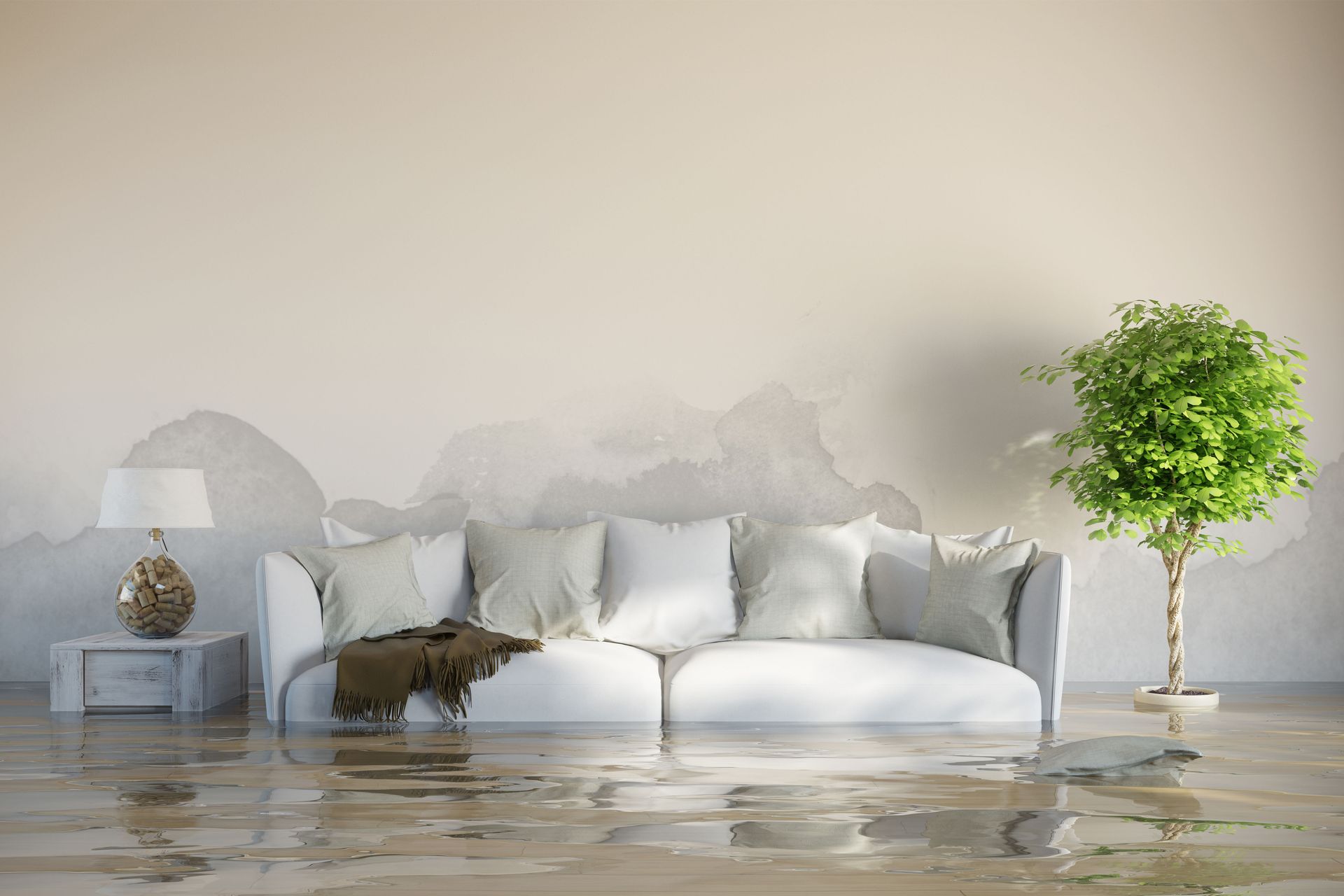
Water damage is one of the most common and expensive types of insurance claims, which makes plumbing upgrades particularly valuable. Replacing old pipes—especially those made from galvanized steel or polybutylene—can dramatically reduce the risk of leaks and bursts. Insurers often reward these updates with lower home insurance premiums because they minimize a major source of claims.
Installing modern fixtures and shut-off systems is another effective strategy. Automatic water shut-off valves detect leaks and stop water flow before significant damage occurs. These systems are increasingly recognized by insurers as proactive risk management tools, often leading to discounts on home insurance policies.
Water heaters should also be considered in your upgrade plan. Older units are more prone to failure, which can result in flooding and costly repairs. Replacing an aging water heater with a newer, more efficient model reduces risk and may positively influence your home insurance costs. Regular maintenance, such as flushing the tank and checking for corrosion, further supports a lower-risk profile.
Proper drainage and sump pump systems are equally important, especially in areas prone to heavy rainfall or basement flooding. Ensuring these systems are functioning correctly—and adding battery backups where necessary—can help prevent water damage claims and contribute to more favorable home insurance rates.
Security Enhancements
Improving home security is one of the most straightforward ways to lower insurance premiums. Installing monitored alarm systems, smart locks, and surveillance cameras reduces the likelihood of theft and vandalism. Insurers often provide discounts for these features because they decrease the probability of claims.
Fire safety upgrades are just as important. Smoke detectors, carbon monoxide alarms, and fire sprinkler systems all contribute to a safer home environment. Many insurers offer incentives for homes equipped with these systems, as they significantly reduce the severity of potential losses. These improvements not only protect your property but also help lower your home insurance costs over time.
Exterior security measures, such as motion-activated lighting and reinforced doors, add another layer of protection. These upgrades deter intruders and demonstrate to insurers that you are actively managing risk. Even small changes, like installing deadbolts or securing windows, can make a measurable difference in how your home insurance policy is priced.
Smart home technology is increasingly playing a role in insurance savings as well. Devices that monitor temperature, detect leaks, or alert homeowners to unusual activity provide real-time data that can prevent damage before it escalates. Insurers view these systems as proactive safeguards, often rewarding homeowners with reduced home insurance premiums.
Foundation Reinforcements
The structural integrity of your home plays a critical role in how insurers assess long-term risk. Cracks in the foundation, uneven flooring, or signs of settling can indicate potential structural failure, which often leads to costly claims. Addressing these issues early—through crack sealing, underpinning, or drainage correction—helps stabilize the home and demonstrates proactive maintenance to insurers.
Water management is closely tied to foundation health. Poor grading, inadequate drainage, or failing downspouts can cause water to pool around the base of your home, increasing the risk of seepage and structural damage. Installing proper grading systems, extending downspouts, and maintaining drainage pathways helps prevent these issues and reduces the likelihood of claims tied to water intrusion.
In some cases, adding or upgrading a waterproofing system can further strengthen your home’s resilience. Interior sealants, exterior membranes, and drainage boards all contribute to keeping moisture out of critical structural areas. When insurers see that foundation risks are minimized, it reinforces the overall stability of the property and supports more favorable policy evaluations.
Reducing your insurance premiums isn’t just about shopping for a better rate—it’s about making your home safer, stronger, and less prone to costly claims. From roofing and electrical systems to plumbing and security, targeted repairs can significantly influence how insurers assess your property. By investing in these improvements, homeowners can create long-term savings while enhancing overall peace of mind. The result is a more resilient property and a more affordable
home insurance policy that reflects your commitment to protection.
If you’re ready to explore how these upgrades can impact your coverage, Pleasant Valley Agency, Inc is here to help. Their experienced team provides personalized guidance to help you align your repairs with the right policy options. Contact Pleasant Valley Agency, Inc today for a free quote and discover how smarter home improvements can lead to better protection and savings.